


 English
 Español
 Portugues
 Pусский
 Français
 Deutsch
 日本語
日本語 한국어
한국어 Italiano
 Nederlands
 Polski
 ไทย
ไทย Türk dili
 हिन्दी
 Indonesia
 Melayu
 Tiếng Việt
 বাংলা
বাংলা


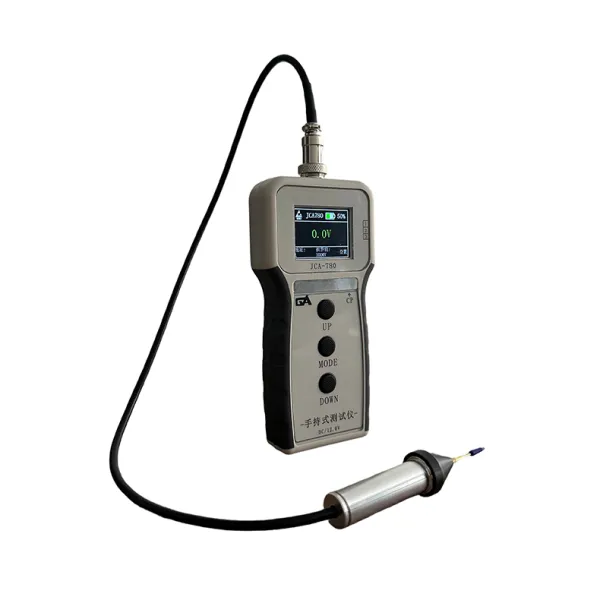




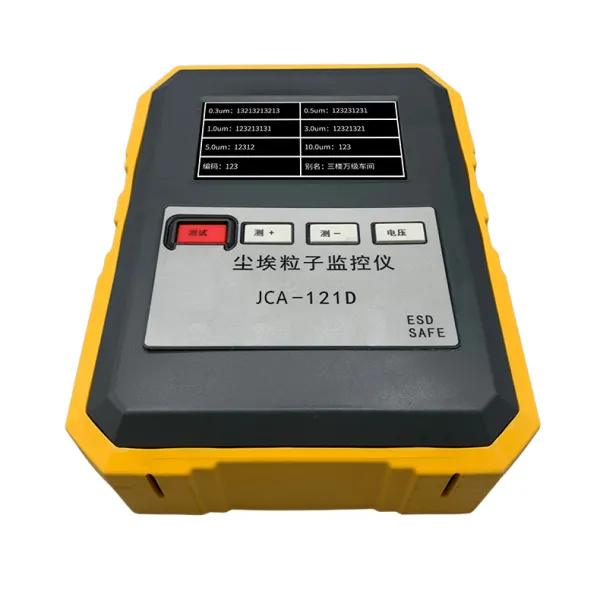
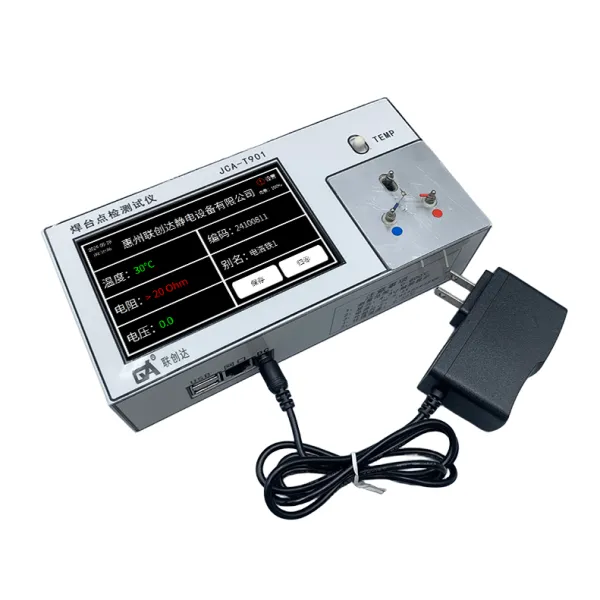
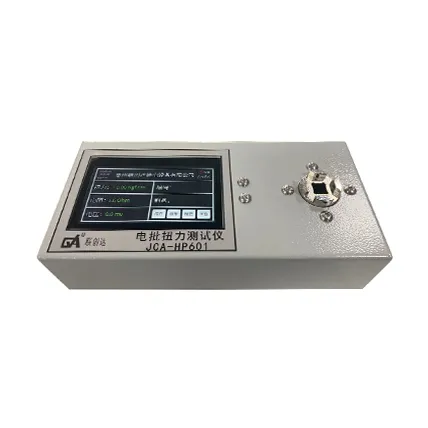
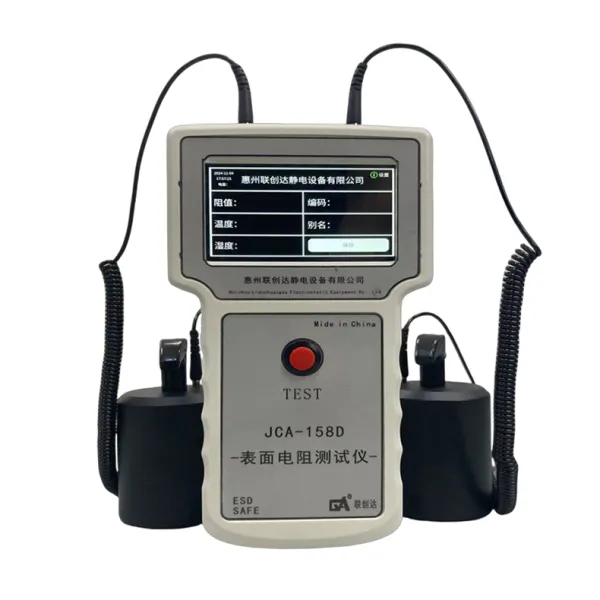
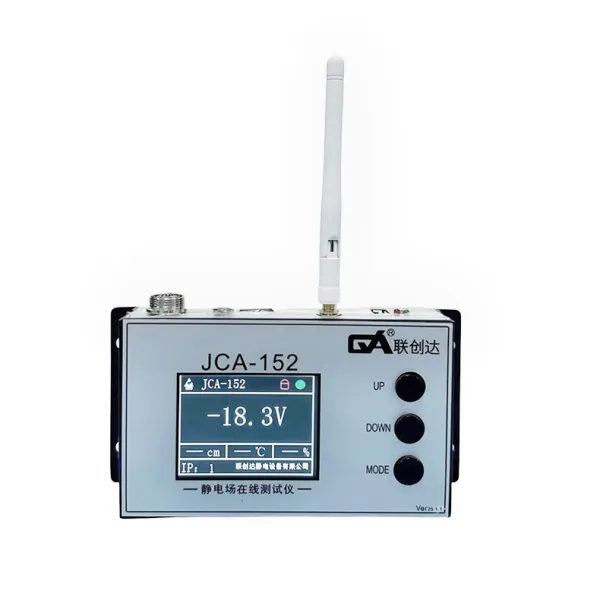


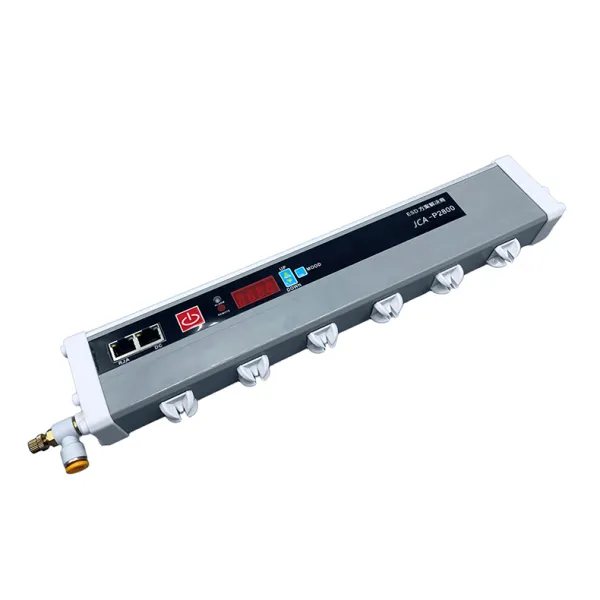
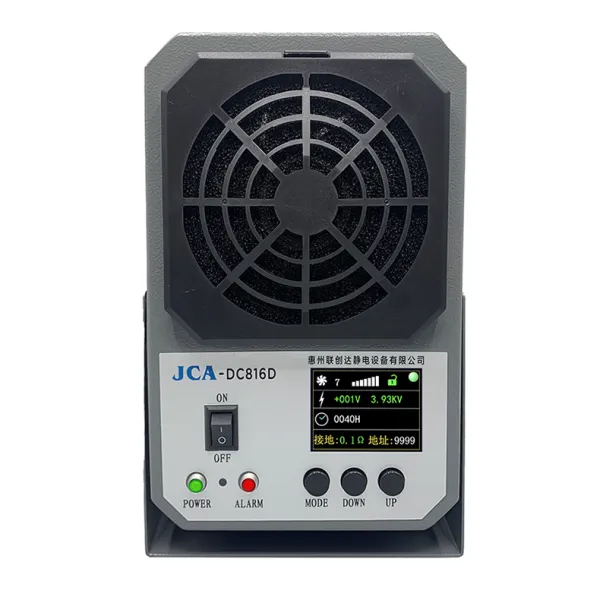

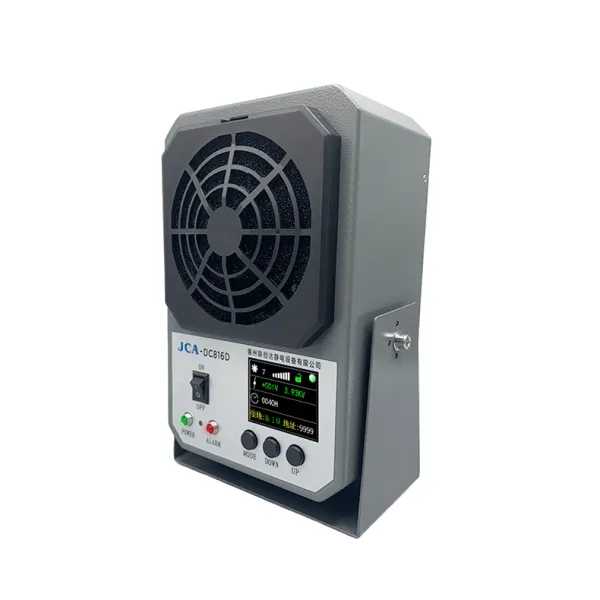
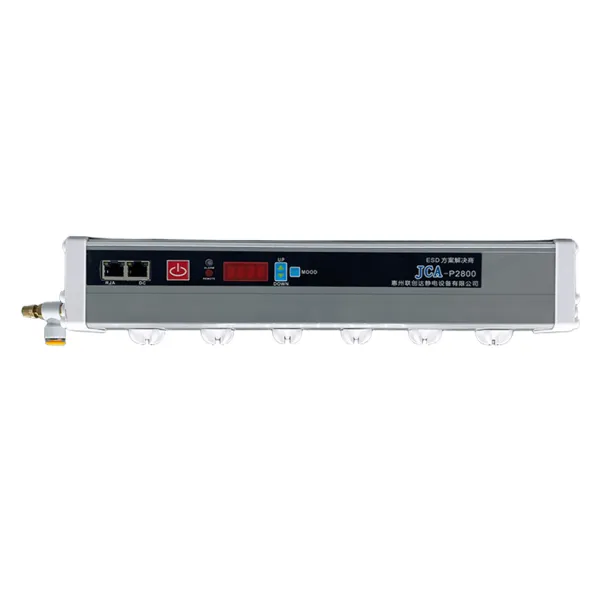

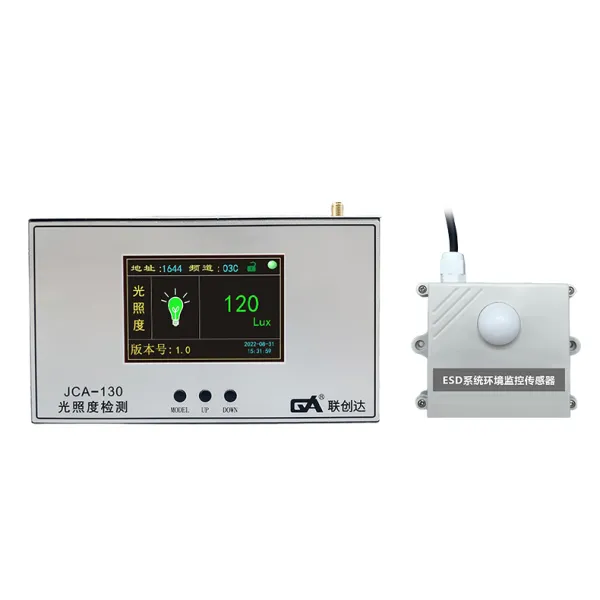



ionizing blower
An ionizing blower is a specialized device designed to neutralize static electricity by emitting a stream of ionized air. It combines the principles of air blowing and ionization to effectively eliminate static charges from surfaces, materials, or environments where electrostatic discharge (ESD) can cause damage or disruption. These devices are widely used in industries such as electronics manufacturing, printing, packaging, and cleanrooms, where even minor static charges can interfere with processes or damage sensitive components. How It Works The ionizing blower generates ions—either positive or negative—using an ionization system, typically through corona discharge or radioactive sources (though the latter is less common due to regulatory restrictions). The blower then propels these ions onto the target surface using a controlled airflow. When the ionized air comes into contact with a statically charged object, the opposite ions neutralize the charge, restoring electrical balance. The airflow also helps disperse dust and particles that may adhere to surfaces due to static attraction. Key Features 1. Adjustable Airflow: Many ionizing blowers allow users to control the airflow speed, ensuring optimal performance for different applications. 2. Balanced Ion Output: High-quality blowers maintain an equal distribution of positive and negative ions to prevent residual charging. 3. Compact and Portable: Designed for flexibility, these blowers can be mounted on workstations or used as handheld devices. 4. Low Maintenance: Modern ionizing blowers often feature self-cleaning mechanisms or easy-to-replace emitter pins. 5. Safety Compliance: They adhere to ESD protection standards (e.g., ANSI/ESD S20.20) to ensure safe operation in sensitive environments. Applications - Electronics Manufacturing: Prevents static damage to PCBs, microchips, and other components during assembly. - Printing and Packaging: Reduces static cling in paper, films, and plastics for smoother processing. - Medical and Cleanrooms: Minimizes particulate contamination in sterile environments. - Automotive and Aerospace: Protects sensitive parts during production and handling. Advantages Over Other Static Control Methods Unlike passive antistatic tools (e.g., wrist straps or mats), ionizing blowers actively neutralize charges without physical contact, making them ideal for large or hard-to-reach surfaces. They are also more efficient than single-point ionizers in covering wider areas. Considerations - Distance and Coverage: Effectiveness depends on the blower’s range and the workspace layout. - Ion Recombination: Ions may recombine before reaching the target if airflow is obstructed. - Power Requirements: Some models require compressed air, while others use electric fans. In summary, ionizing blowers are essential for industries requiring precise static control. Their ability to combine ionization with directed airflow ensures reliable, non-contact charge neutralization, enhancing productivity and product quality.
نتاج
تصنيف:
لا توجد نتائج بحث!
أخبار
تصنيف:
-
[Industry news]Ion Fan Tester Maintenance Plan: Ensuring Continuous Perform...
2025-11-12 16:45:56
حالة
تصنيف:
لا توجد نتائج بحث!
فيديو
تصنيف:
لا توجد نتائج بحث!
تحميل
تصنيف:
لا توجد نتائج بحث!
تجنيد
تصنيف:
لا توجد نتائج بحث!
المنتجات الموصى بها
لا توجد نتائج بحث!



 واتس اب
 هاتف
هاتف